URL Shortener: Simplifying Digital Access for IoT Products
This article This article explains how URL shorteners transform long, complex web addresses into short, user‑friendly links that automatically redirect to the original destination. Beyond shortening, these tools centralize landing‑page management, allow destination updates without changing the short link, provide analytics (clicks, location, device), and even enable location‑based redirection. In IoT products equipped with screens, URL shorteners paired with QR Codes greatly improve user experience by avoiding manual URL entry. A simple scan can lead users to setup guides, troubleshooting resources, or spare‑parts pages. The article also highlights how embedding product‑specific data (serial number, error code) into QR Codes personalizes support and simplifies access to relevant content. Overall, URL shorteners become a powerful tool to enhance usability, streamline digital access, and strengthen the link between connected devices and their online services.
URL Shortener: Simplifying Digital Access for IoT Products
What Is a URL Shortener?
Imagine a long, complex web address like this:
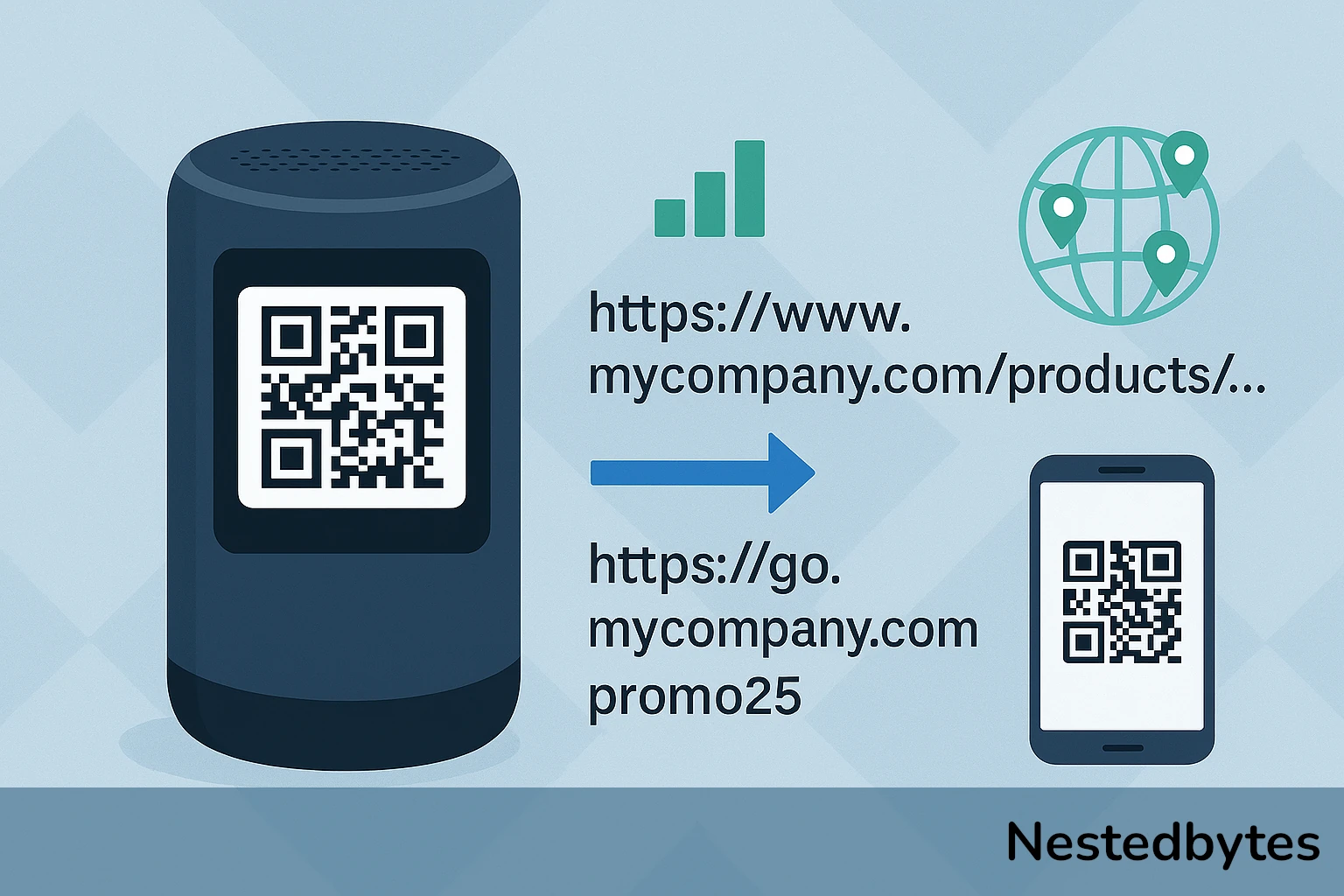
https://www.mycompany.com/products/category/sub-category/item?utm_source=flyer&utm_medium=print&utm_campaign=summer2025
It’s hard to remember, share, or type manually—especially on a mobile device or a small touchscreen. This is where a URL Shortener comes in. This tool transforms a long, cumbersome URL into a short, readable, and easy-to-use version, such as:
https://go.mycompany.com/promo25
The concept is straightforward: the short link acts as an alias, automatically redirecting the user to the original address. Popularized by services like Bit.ly or TinyURL, this technology is now widely used to streamline digital communication, marketing, and even user experience in technical contexts like IoT.
How Does a URL Shortener Work?
1. Automatic Redirection
When a user clicks on a short URL, the system checks a database to identify the associated destination URL. The redirection is instant and seamless: the user lands on the desired page without even realizing they’ve been redirected.
2. Managing a Catalog of Landing Pages
A URL Shortener does more than just shorten links. It allows you to centralize the management of landing pages. Each short URL is linked to a specific page, making it easier to organize and track campaigns or content.
3. Flexibility and Updates
One of the major advantages is the ability to update the destination page after the fact. For example, if a marketing campaign changes, you only need to update the destination URL in the system—no need to generate new short links or modify existing communication materials.
4. Performance Tracking (KPIs)
Modern URL Shorteners include analytics tools: number of clicks, geographic location of users, devices used, etc. This data helps evaluate the effectiveness of links and adjust strategies accordingly.
5. Location-Based Customization
Some advanced systems allow you to redirect to different content based on the user’s location. For example, a short URL can display a French page for a user in France and an English page for a user in the United States—all automatically.
Why Use a URL Shortener in an IoT Product with a Screen?
IoT devices increasingly feature screens, but their small size and limited interfaces make manual URL entry difficult. A URL Shortener, combined with QR Codes, provides an elegant solution to:
1. Enhance User Experience
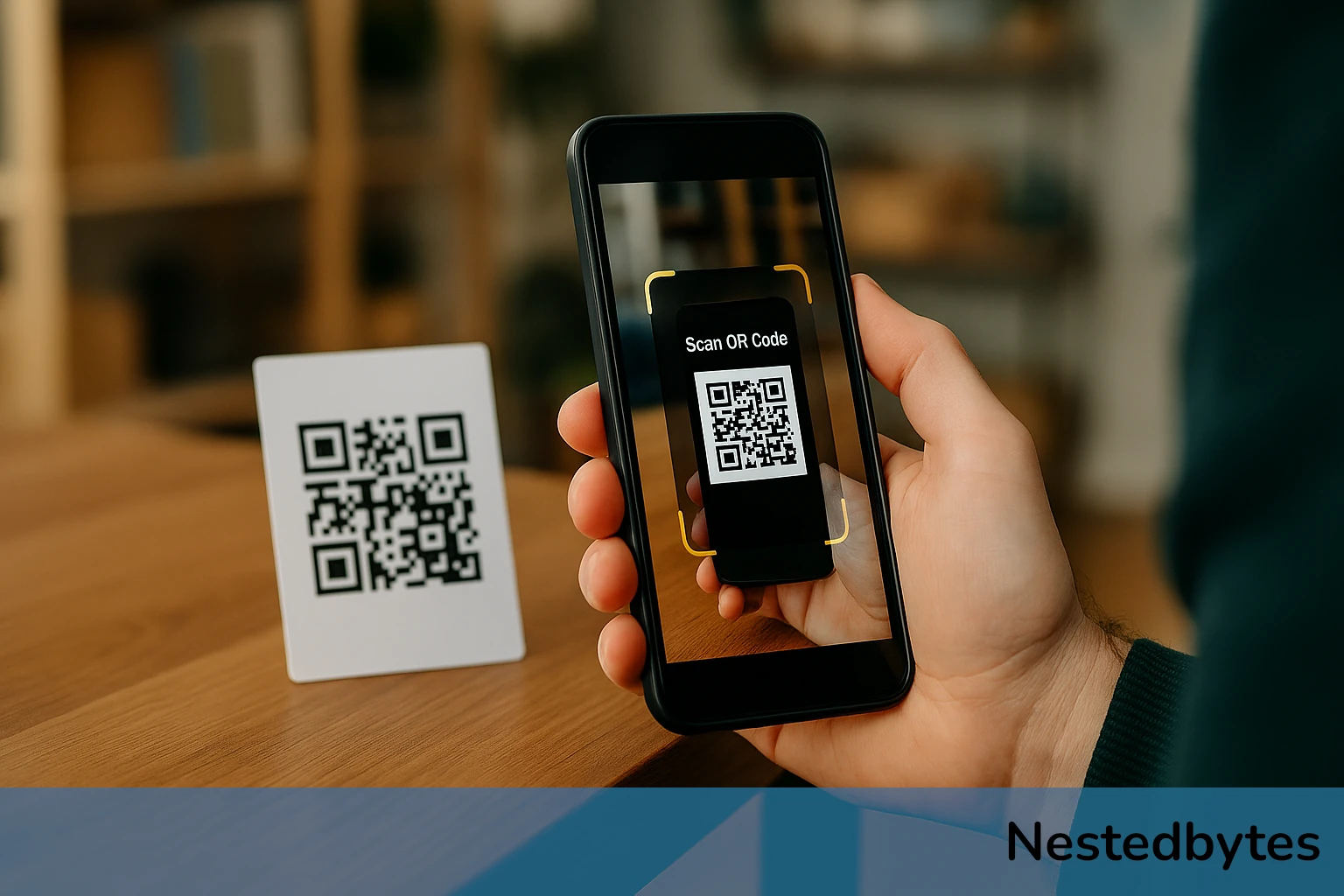
Instead of asking users to type a long web address, a simple QR Code scan displayed on the product’s screen instantly redirects them to:
- Setup instructions (video tutorials, PDF guides)
- Troubleshooting (FAQs, online diagnostics)
- Spare parts purchasing (online store, contact form)
2. Simplify Access to Digital Content
The QR Code acts as a bridge between the physical product and the digital world. Users only need to scan the code with their smartphone to access relevant resources effortlessly.
Optimizing the Experience: Going Further with QR Codes
To make the experience even smoother and more personalized, you can embed product-specific information directly into the QR Code. For example:
- The product’s serial number, to display warranty information or tailored software updates.
- An error code detected by the device, to redirect to a targeted troubleshooting page.
This approach not only simplifies access but also personalizes the content displayed to the user, based on the product’s context or status.
Conclusion
The URL Shortener, often seen as a simple marketing tool, reveals its full potential in the IoT ecosystem. By combining short links, QR Codes, and personalization, it becomes a powerful lever to improve user experience, simplify access to digital resources, and strengthen the interaction between physical products and their associated services.
Whether it’s guiding users through device setup, simplifying troubleshooting, or optimizing logistics, this technology is establishing itself as a standard for connected products of the future.